Interview with Zowi: AI for Marine Survey Data at GEOxyz
“We help GEOxyz survey the seabed efficiently by automating the detection of boulders.” — Zowi Valve ...

Published on: November 10, 2026
How Kapernikov and TAG rebuilt nine years of business software in nine days, what went wrong along the way, and what it means for anyone who builds or buys software.
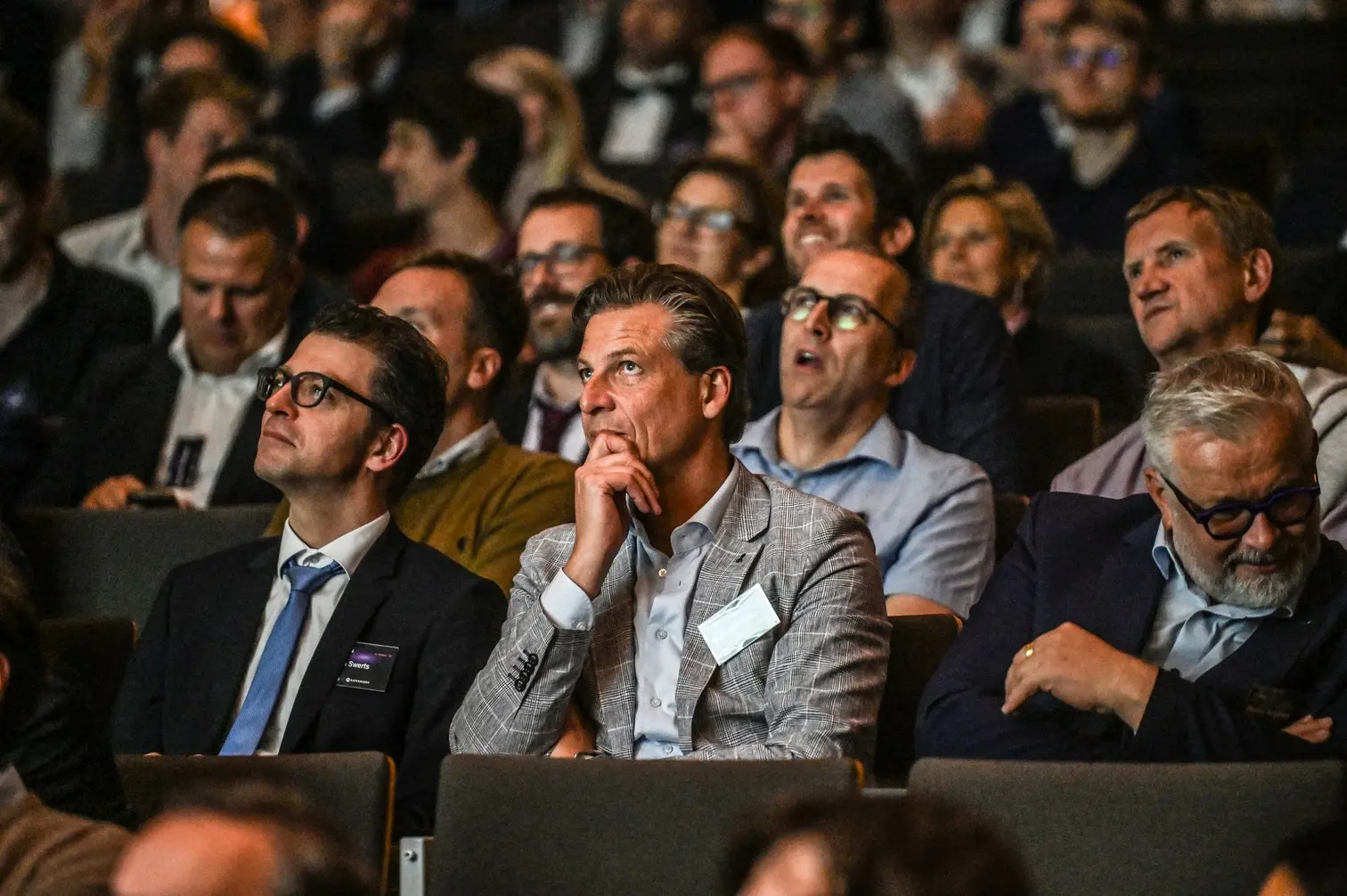
Aurora 2026 was a full house. The room filled up fast, and the reason was clear: people wanted to see what AI can already do, and what challenges still lie ahead.
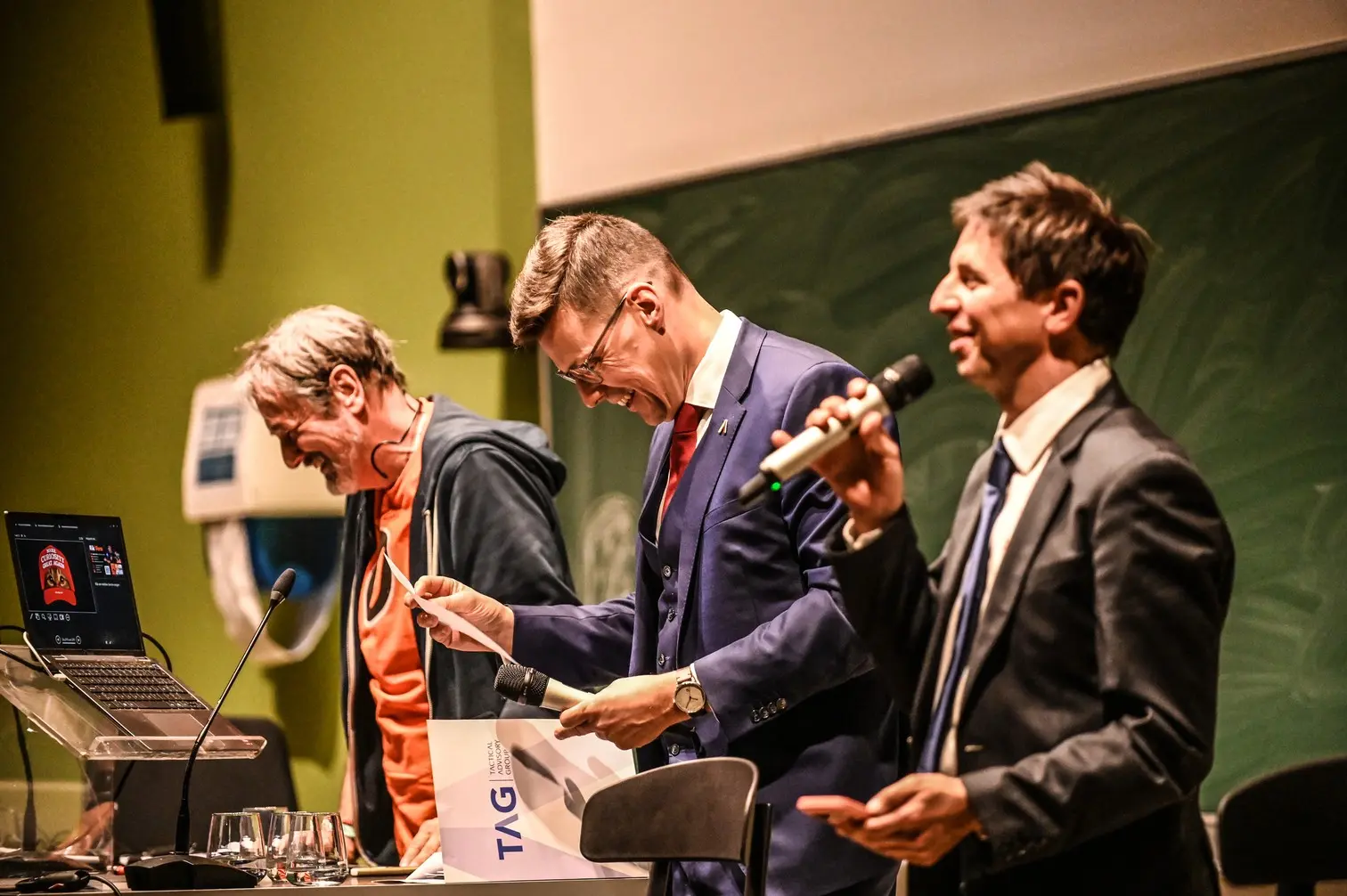
We also did something that made a few people in the audience nervous. We showed live software. No slides with promises, no polished product video. We showed an application that two companies had built together in nine days, and that we are about to use for the most sensitive process we have: sending out our invoices.
This post explains what we built, why we did it, and what we learned. Most of what we learned has very little to do with code.
Kapernikov and TAG run similar businesses: consultants, projects, customers, timesheets, invoices. For years, TAG ran those processes on an internal tool that had grown over nine years. It worked well. It was also showing its age.
So we set ourselves a challenge for this year’s bootcamp: rebuild it from scratch, as one shared platform for both companies, in two weeks. About 30 people, split into five tracks (sales, delivery, recruitment and more), with nine days of actual building.
We gave ourselves three goals:
The result is Phoenix: a cloud-hosted ERP with enterprise authentication. It covers sales opportunities, resource planning, timesheets, invoicing, one-on-ones with consultants and training programs. It is not vibe-coded, and it is not an HTML mock-up on a SharePoint somewhere. To prove that, we’re starting to invoice with it this month.
“I was never worried about having a demo in 9 days, but I’m still somewhat amazed we built an application in 9 days.”
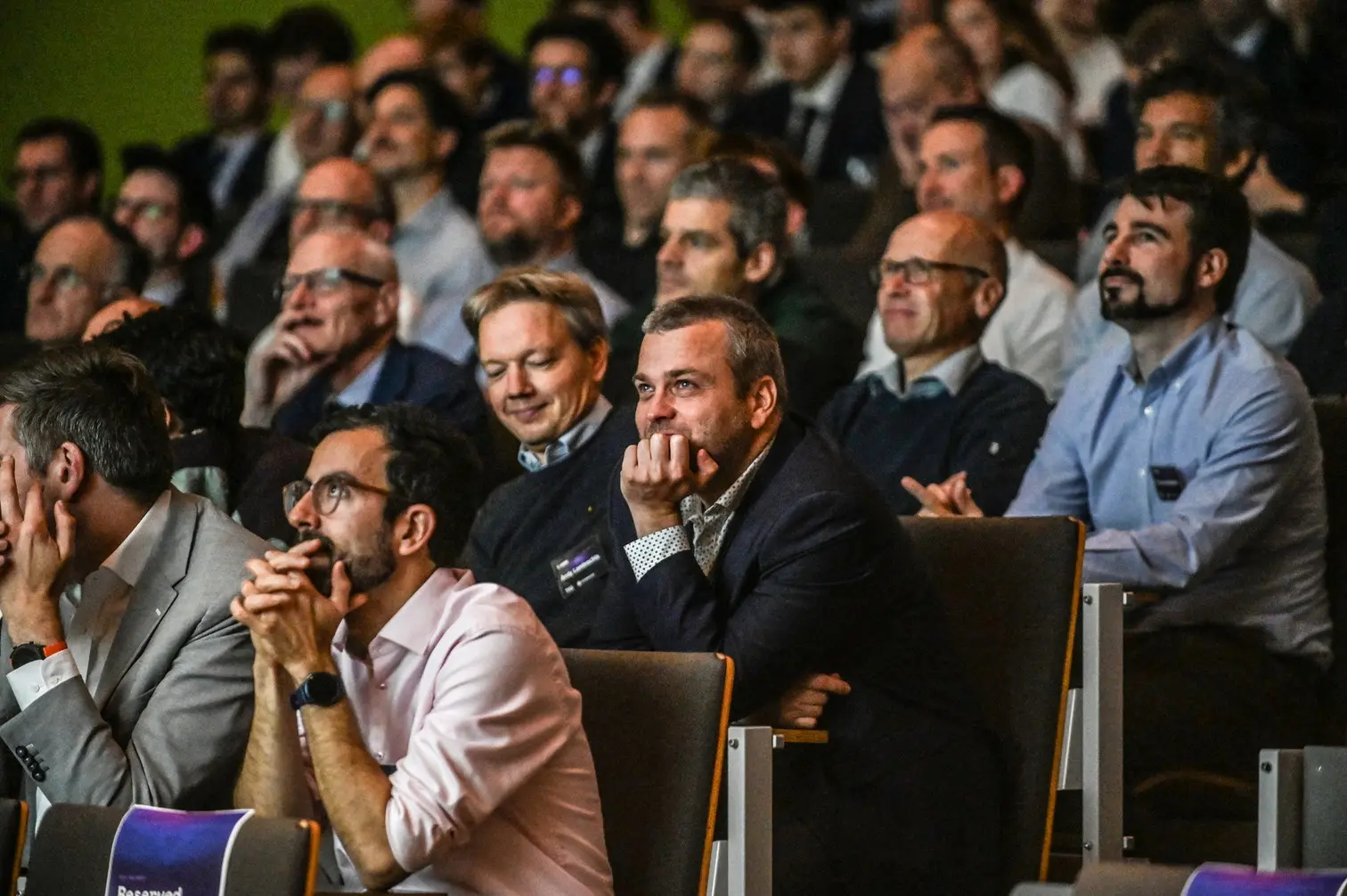
“We have more pilots than Lufthansa.”
That’s what we often hear from customers who are tired of proofs of concept that never go anywhere. We wanted to eat our own dog food.
Before the bootcamp, we liked to say we could build anything that could be specified well. That became a running joke during the nine days, because we did. We built everything that was specified, and then some.
That is exactly where things got interesting.
For decades, software projects were organised around one constraint: writing code takes time. A rule of thumb was that one analyst could keep three developers busy. Everyone else (analysts, testers, product owners) had the comfort of time. While development was running, there was room to figure out what the customer wanted, and then what they actually needed.
During Phoenix, that ratio flipped. One developer could keep three or four analysts busy.
As Rein Lemmens, CEO of Kapernikov, put it:
“No amount of speed can compensate for a lack of direction.”
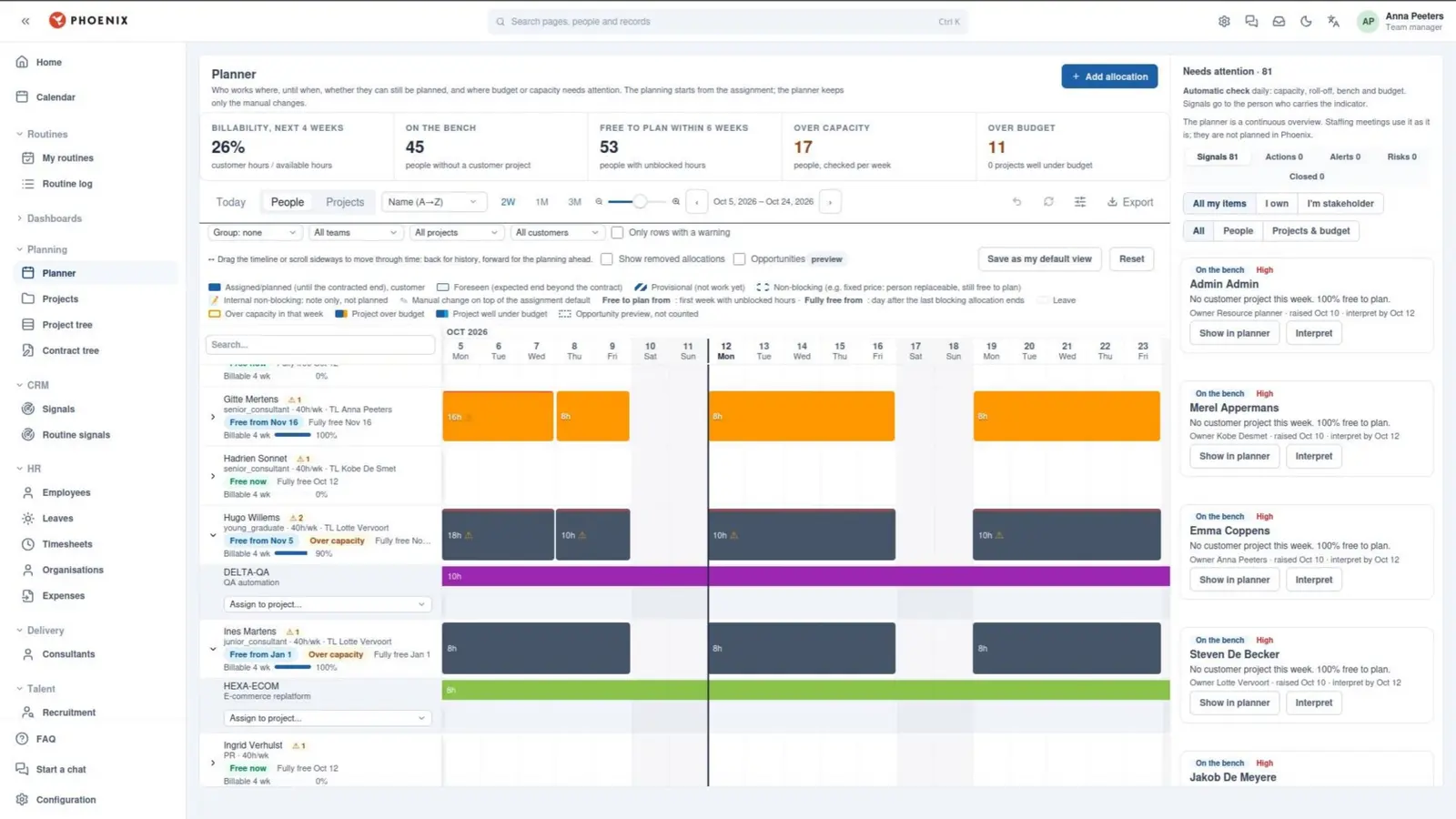
Our favourite example is the planner.
We needed a calendar view for resource planning. Every stakeholder had their own wishes. Since building features no longer took weeks, we built all of them.
The result was a planner that nobody wanted to use.
When someone asked what the biggest hurdle of the nine days was, Maarten De Munck, Partner at Kapernikov, didn’t hesitate:
“Mainly building the ‘right’ things. There are a lot of key users with slightly different requirements. If you pass a few of these to an AI agent, it happily builds something that allows you to do everything, but is totally unclear for everyone.”
Listening to users, turning their wishes into one clear way of working, checking that with the key users and repeating until you find the solution: that is still human work, and it takes its time. In fact, it now matters more than ever.
Here is how the roles changed in practice:
Coding isn’t really a human job anymore. Building applications still is.
Or, in Rein’s words: by exploiting the strengths of AI and filling in its weaknesses very explicitly with people, we could go both fast and far.
This one surprised us more than any technical lesson.
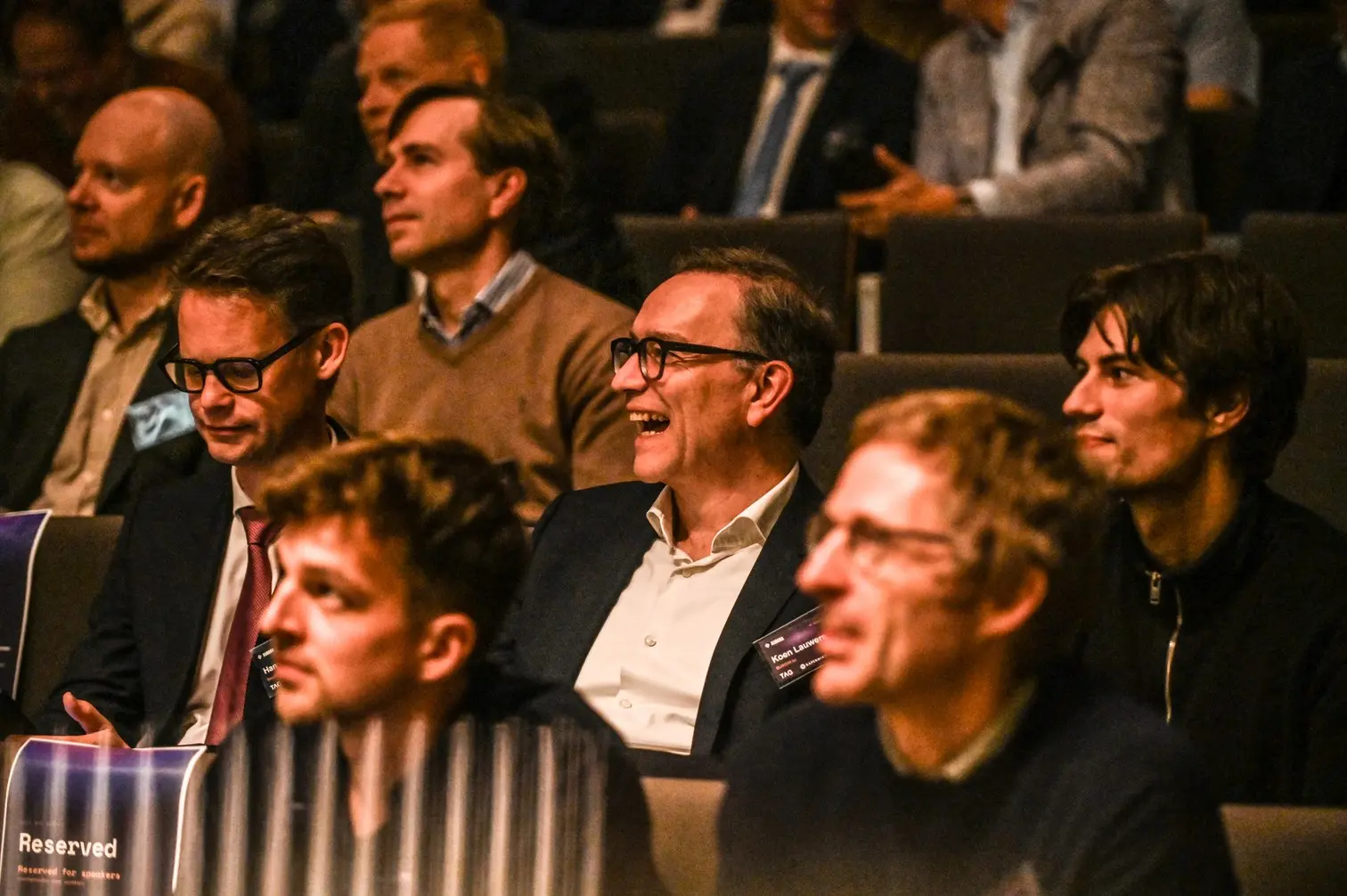
The speed was exhilarating, and for some people it was simply too much. You can build something in an afternoon that people need a week to understand and absorb. As leaders, we found out that you cannot over-communicate in a project like this. Time spent aligning is not lost time. Building the same thing twice is.
Synchronising people is the one part of a project you can’t compress, however smart and fast the AI is.
Ask the team what they would do differently and you get the same answers:
Phoenix was an experiment, but the lessons aren’t staying in the lab. We’re already bringing two of them into Asset360, the asset management platform we’re building with Infrabel:
Both are good examples of the shift we described earlier: when agents write the code, the human effort goes into making sure the code can be trusted.
Phoenix wasn’t only built differently; it also works differently. A few things we showed live at Aurora:
We want to be honest about what nine days can and can’t prove.
How does it hold up in production? The real test starts this month, when Phoenix sends out its first invoices. We’ll report back.
How about security implications? As AI models become better, they do their own security checks, and output more so called finished code. But what is the risk of security leaks passing unnoticed?
What does a project like this cost in real life? Phoenix was built by 30 people working long, intense days in what we called “the pressure cooker”. Afterwards, Rein summed up how the team felt: “proud, amazed and very tired.” We would not recommend running a company that way for many weeks a year. The real question is what a project like this looks like at a sustainable pace, with a normal team and a normal budget. We’re working that out now.
Will companies still buy software? If everyone can be a plumber, why hire one? We don’t have a crystal ball. Our bet: just as more efficient steam engines didn’t lower the demand for coal, cheaper software will make a lot of applications worthwhile that never had a business case before. Expertise in turning user needs into a working application will matter more, not less.
The Aurora demo shows what came out of the bootcamp, live and unscripted. Request the full demo and you’ll get:
The full live demo from Aurora 2026 (55 min, with chapters)
Updates as the project continues
No sales pitch. As we said on stage: we’re not here to sell you a product. We’re here to share what we learned.